
New developments in the Heritage Collection Live series on recordings of Maria Callas (1949), Astor Piazzolla and his Conjunto 9 (17/08/1972) and Horacio Salgán, Roberto Goyeneche and Edmundo Rivero (17/08/1972).

TECHNICAL RIGOR IN THE FACE OF THE COMPLEXITY OF THE LIVING ARCHIVE
In this second progress report for the series Heritage Collection Live From the Teatro Colón, we tackle recordings marked by highly complex capture conditions. Working with historical archives demands avoiding standardized interventions that sterilize the sound; our commitment to timbral fidelity involves rescuing the vivacity and spatiality of the stage without masking the nature of its original sources.
PROJECTS IN PROGRESS
1. Maria Callas – The Callas Challenge (1949)
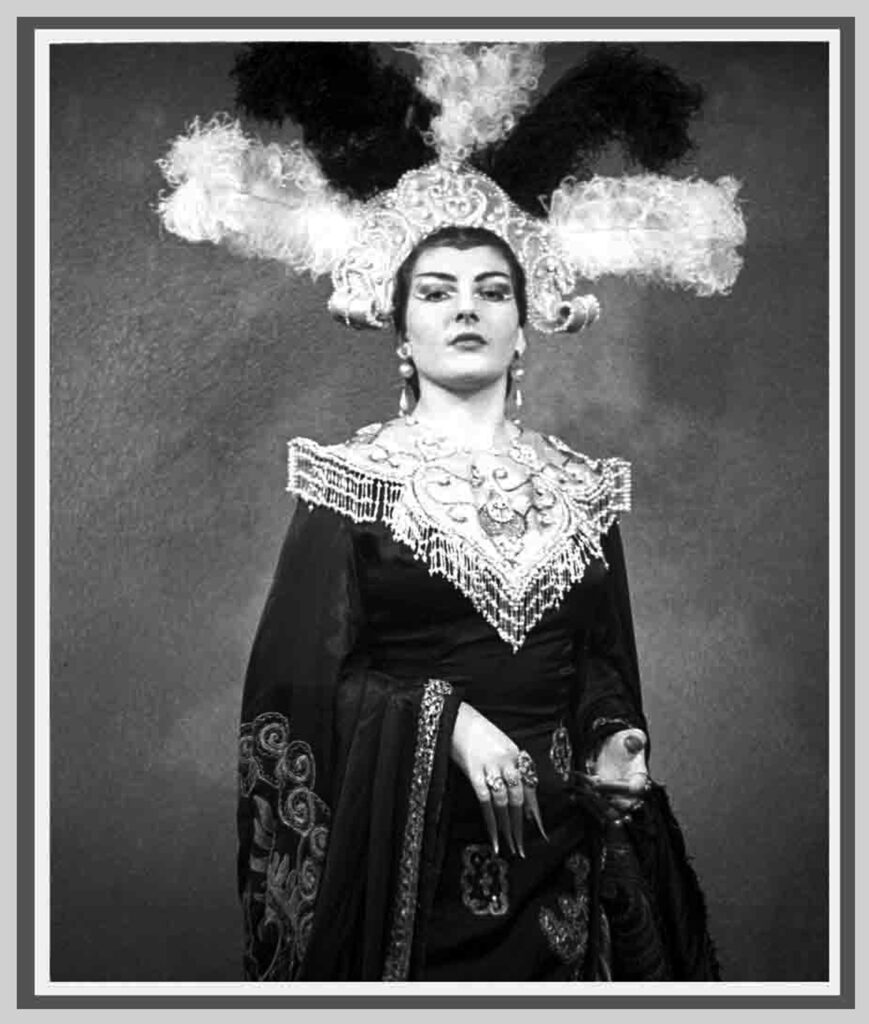
Documented repertoire:
Bellini: Rule (Selection of performances from June 17 and Gala Performance from July 9, 1949).
The challenge: Working with the only real recorded testimony of Maria Callas at the Teatro Colón: the historic live radio broadcasts of Rule from 1949, including the emblematic Gala Performance of July 9th. Given the limitations of AM bandwidth and the precariousness of the period capture, the recording not only preserves imprints of the airwaves—such as the distinctive "pip" of the time signal—but also the severe effect of the original radio compression, which generates abrupt "volume bursts" when moving from passages of wide dynamic range or silences to phrases of great intensity.
The restoration: The work requires meticulous technical rebalancing, phrase by phrase and second by second, to correct the radial compressor's behavior and restore natural dynamic continuity. The aim is to preserve the radio recording with maximum interpretive clarity, ensuring that Callas's dramatic projection "cuts through the airwaves" without making her voice metallic or diminishing its body.
2. Astor Piazzolla and his Ensemble 9 – SADAIC Concert (17/08/1972)
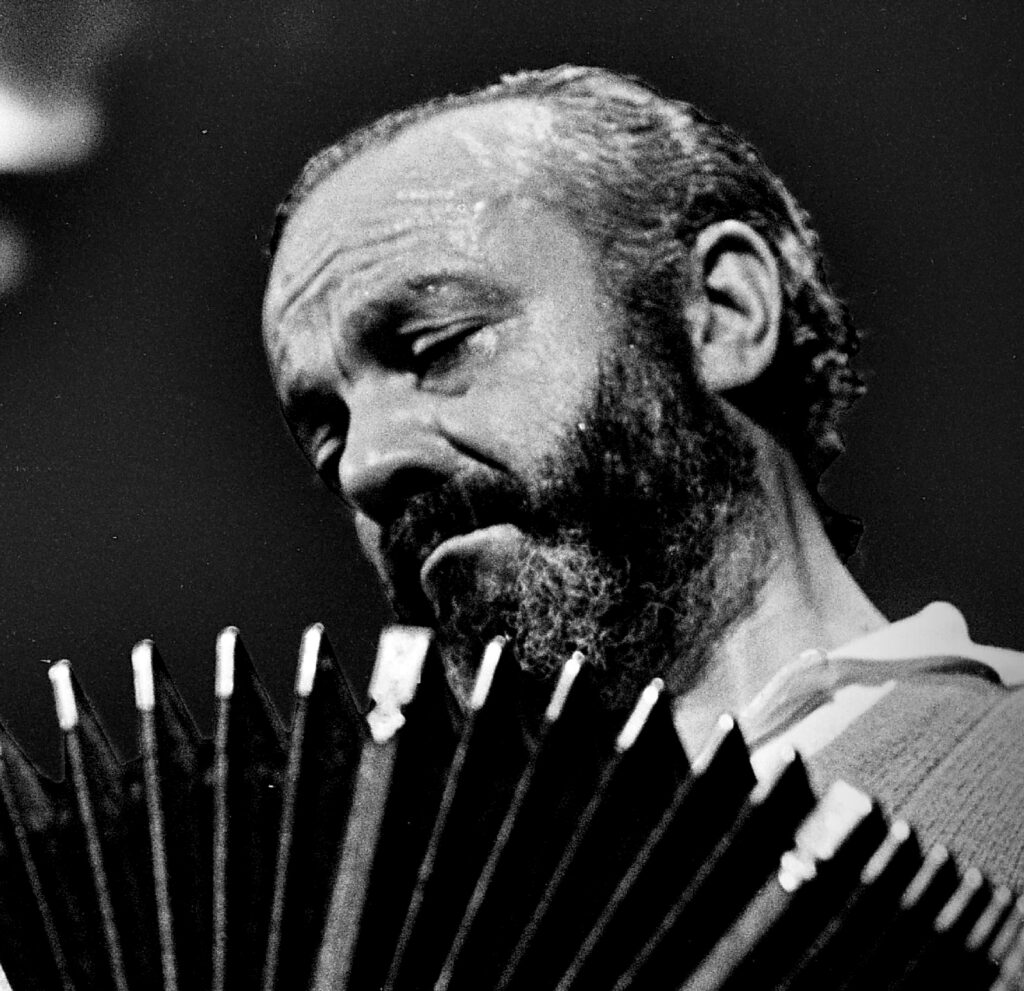
Historical Background: Astor Piazzolla (bandoneon), Osvaldo Tarantino (piano), Antonio Agri and Hugo Baralis (violins), Néstor Pani (viola), José Bragato (cello), Enrique Díaz (double bass), Oscar López Ruiz (electric guitar) and José Correale (percussion).
The challenge: Capturing Conjunto 9 at the concert organized by SADAIC involved a complex coexistence between the Colón's lyrical acoustics and the presence of electric instrumentation and percussion (electric guitar and drums). The original tapes reflect that saturation and tension of the era.
The restoration: Instead of sanitizing or "flattening" the sound to mimic a modern studio recording, we preserved the physical impact and expressive aggression of the performance. This work restored the three-dimensional definition and attack of the instruments—which in unofficial copies often ended up degraded into an indivisible block of noise—allowing the natural friction between the amplified sound and the room's resonance to be heard.
REFERENCE AUDIO SAMPLE
Construction site: Escape and Mystery (Astor Piazzolla)
What to pay attention to: Observe the attack of the bandoneon and the strings, the three-dimensionality of the ensemble, and how the tension of the electric guitar was preserved and the body of the percussion was recovered in the enclosure.
Original Source - Fugue and Mystery - Astor Piazzolla and his ensemble 9 - August 17, 1972
SVR SOUND Restoration 2023 - Fugue and Mystery - Astor Piazzolla and his ensemble 9 - August 17, 1972
3. Horacio Salgán, Roberto Goyeneche and Edmundo Rivero – SADAIC Concert (17/08/1972)
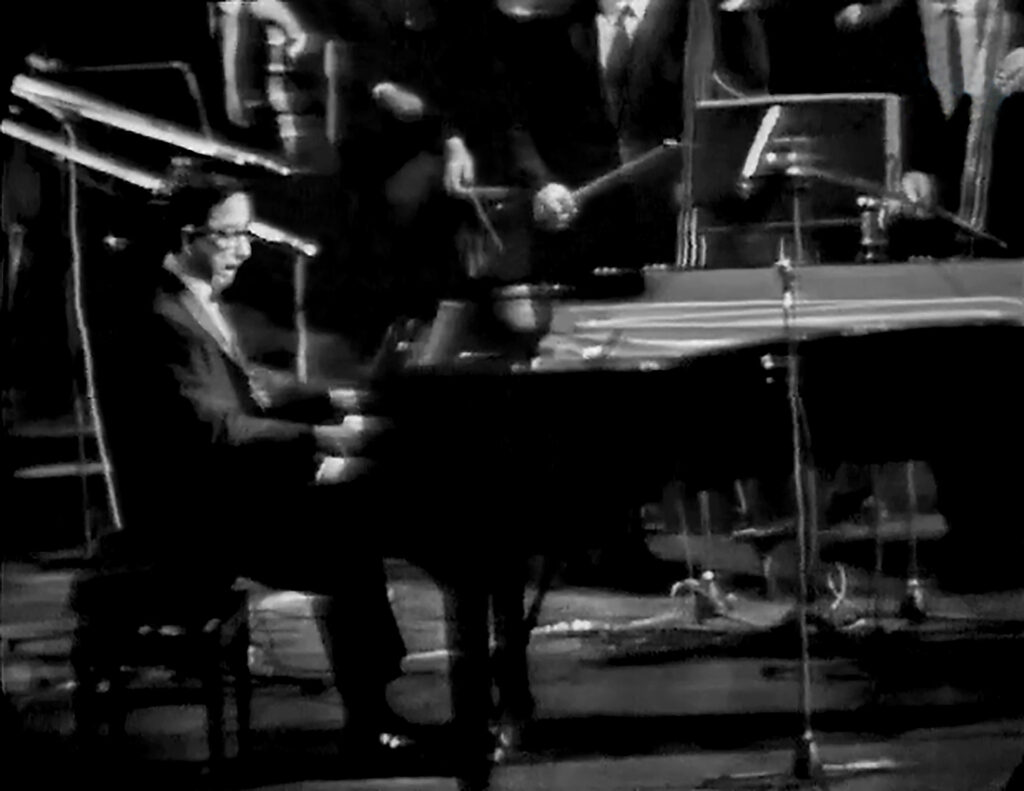
Horacio Salgán (piano) and his Orquesta Típica, Roberto Goyeneche (vocals), Edmundo Rivero (vocals)
The challenge: Recording two contrasting vocal aesthetics and Salgán's particular piano touch on the same historic day of August 17, 1972, where the accumulation of mid-frequencies in the theater obscured the nuances of the diction and the orchestral plot
The restoration: The aim was to achieve a subtle separation between Salgán's percussive and harmonic piano attack, the detail of the orchestral arrangement, and the characteristics of each performer: Rivero's deep resonance and Goyeneche's unique phrasing. The result restores the instrumental framework and the intimacy of the vocal dialogue while respecting the hall's acoustics.
REFERENCE AUDIO SAMPLE
Construction site: crazy soul (Guillermo Cavazza-Jacinto Font)
What to pay attention to: Listen to the recovery of harmonics that restores the physical texture of Goyeneche's voice and the renewed clarity in the reading of the orchestral arrangement.
Original Source - Alma de Loca - H. Salgán and his Orquesta Típica & R. Goyeneche - August 17, 1972
SVR SOUND Restoration - Alma de Loca - H. Salgán and his Orquesta Típica & R. Goyeneche - August 17, 1972
Upcoming Release: These restored titles will become part of the series' catalog Heritage Collection Live, which will be available on all digital platforms at the beginning of December.