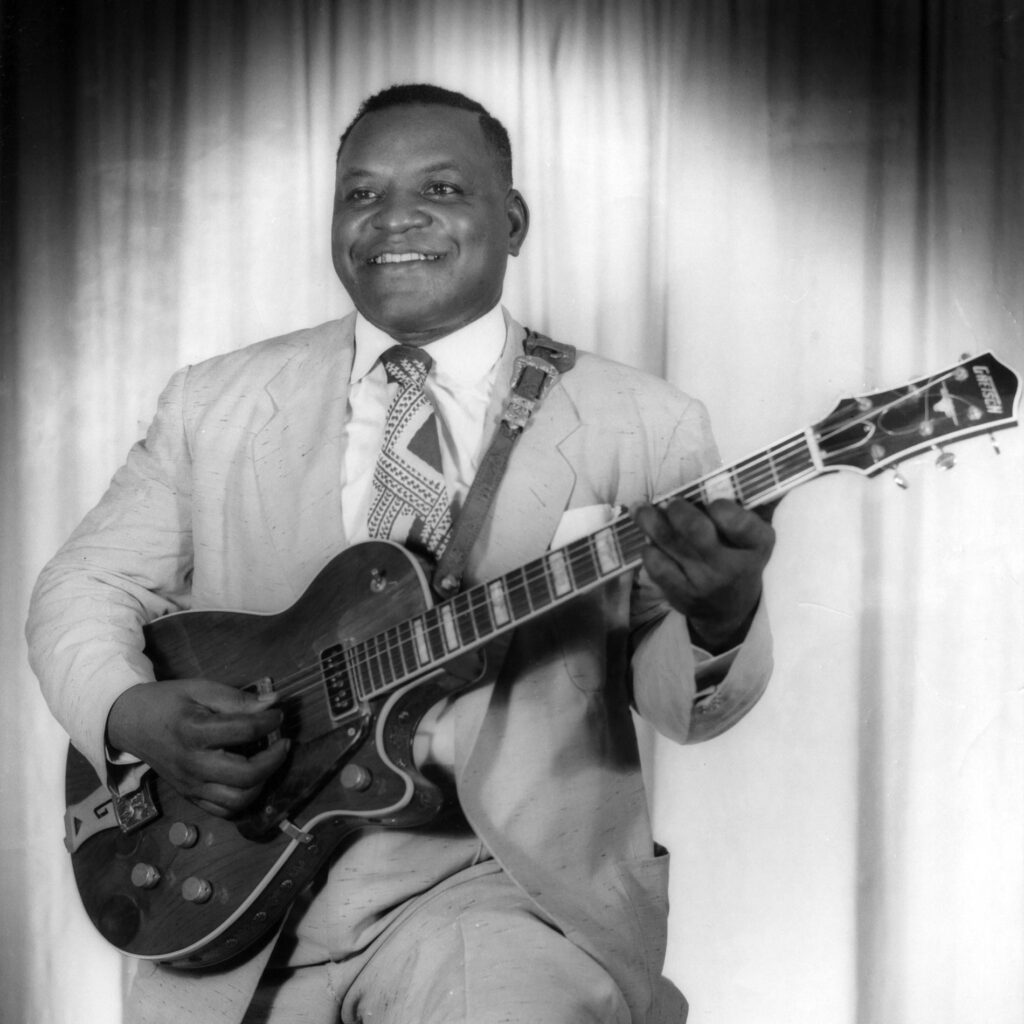
Critical restoration of one of the most powerful voices in the history of Rhythm & Blues
At SVR SOUND we are working on the sound restoration of the legendary sessions of Smiley Lewis (Overton Amos Lemons) recorded between 1952 and 1955.
Recorded at Cosimo Matassa's legendary J&M studio in New Orleans, these recordings capture the peak of Smiley Lewis's maturity, an artist with a volcanic vocal power.
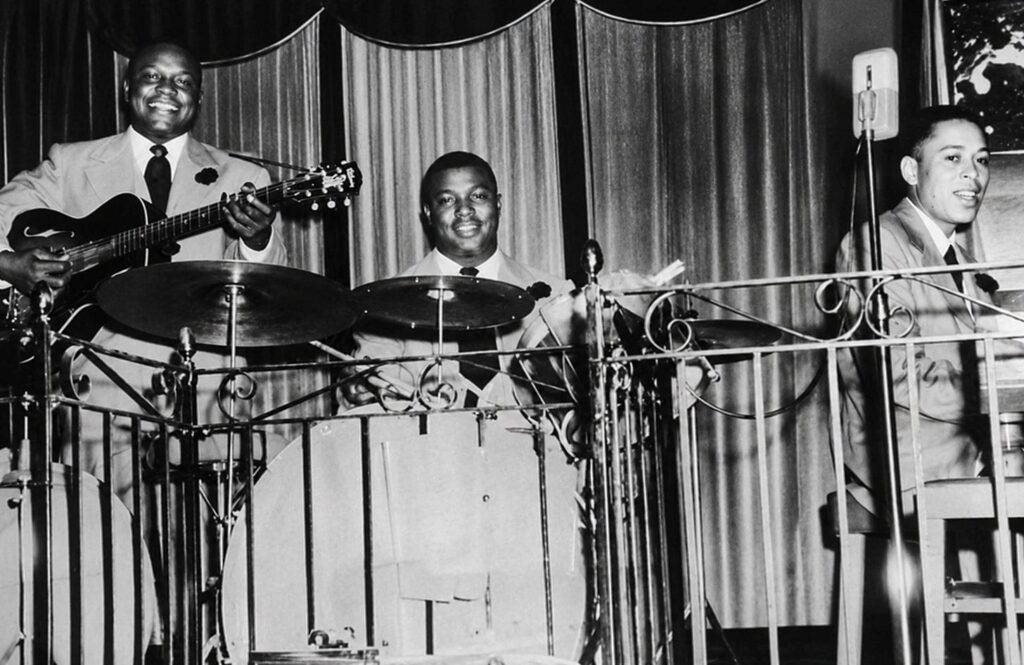
MUSICIANS WHO DEFINED THE SOUND OF AN ERA AND STYLE
- Smiley Lewis: Voice and guitar
- Dave Bartholomew: Trumpet, arrangements and direction
- Pianos: "Tuts" Washington, Edward Frank, Huey Smith, and Fats Domino
- Brass Section: Joe Harris (alto sax), Herb Hardesty and Lee Allen (tenor saxes)
- Rhythm Section: Ernest McLean (guitar), Frank Fields (bass), Earl Palmer and Cornelius Coleman (drums)
HERE ARE 2 RESTORATION ADVANCE PAYMENTS SVR SOUND
Down The Road (Dave Bartholomew-Overton Amos Lemons) December 14th. 1953 New Orleans
What to look out for:
Notice the clarity with which the main voice emerges above the rhythm and how the section of brass It responds with clarity, allowing you to follow the texture of Fats Domino's piano and the rhythmic pulse of the drums without the instruments overlapping.
Too Many Drivers (Big Bill Broonzy) September 8th.1954 New Orleans
What to look out for:
Observe the texture of the wind and the recovery of harmonics in Lewis's vocal attacks. Despite the volume and power of the performance, each instrument occupies its own space in the final mix.
WHAT WILL THE LISTENER APPRECIATE IN THIS RESTORATION?
The original 1950s recordings often faced serious space and saturation limits.
Our work at SVR SOUND did not consist of mechanically "cleaning" the original source until it became sterile, but rather of performing a surgical rescue to restore the sonic transparency:
- The harmonics of a formidable voice: We cleared away the saturation that used to wrap around Smiley Lewis's voice. Now it is possible to perceive the thickness, nuances, and natural range of his vocal harmonics without losing the original analog grain.
- Separation and transparency of the section of brass: Bartholomew's saxes (alto and tenor) and trumpet stop sounding like a dense or compressed block. The restoration makes it possible to distinguish each melodic line and the individual timbre of each wind instrument.
- Respect for analog aesthetics: We intentionally kept certain original saturations that are already part of the identity and aesthetic language of the era, allowing the music to gain in definition while preserving its natural drive and rusticity.
PRESERVATION OF ARTISTIC LANGUAGE:
Our ultimate goal is for today's listener not only to hear an old recording, but to be able to understand the proposal of artistic and aesthetic language what Smiley Lewis and his remarkable group of musicians proposed. By restoring transparency to the recording, we allow the living energy of those New Orleans sessions to be heard today with the respect and fidelity they deserve.